

Hurricane season officially runs from June 1st through November 30th and forecasters are already warning homeowners not to let their guard down. While 2026 is predicted to be a near to below average season, experts still expect 3 to 5 storms to make direct U.S. impacts. And here is the thing about hurricanes: it only takes one.
Whether you are dealing with high winds, torrential rain, or flying debris, your roof is the first and most important line of defense your home has. Getting ahead of the season now is the smartest investment you can make as a homeowner.

What Makes Roofs So Vulnerable During Storms?
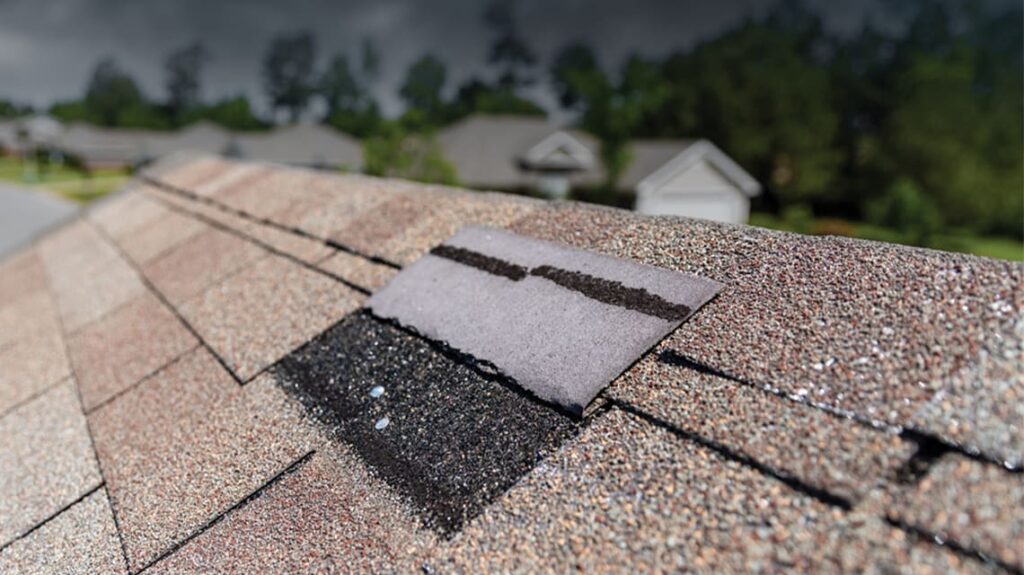
Roofs take the full force of a hurricane because of their exposed location and large surface area. When wind speeds climb, they create powerful uplift forces that can peel shingles right off the deck. Once shingles are gone, wind and rain attack the underlayment beneath. If that fails, water infiltrates the decking and the damage escalates fast.
The key is making sure every layer of your roofing system is in good shape before a storm ever arrives.
How Hurricanes Damage Roofs
It starts with wind. As sustained winds climb and gusts spike, they create powerful uplift forces underneath your shingles. Even shingles that look perfectly fine can lift and peel when wind gets underneath them. Once shingles are compromised, the underlayment is exposed. Depending on its quality and condition, it may hold for a while or fail quickly under pounding rain.
Then comes the water. Heavy rain driven horizontally by hurricane-force winds finds every gap, every weak point in your flashing, every unsealed edge. Water infiltrates the decking, soaks into insulation, and begins working its way into your home. The longer it goes unaddressed, the worse it gets.
Flying debris adds another layer of risk. Tree branches, loose materials from neighboring properties, and anything else a storm picks up can strike your roof with enough force to crack shingles, puncture underlayment, or damage flashing.
What Actually Protects Your Roof in a Storm
The good news is that a well-maintained roof with quality materials can hold up remarkably well even in severe conditions. Here is what makes the difference:
Shingle quality and installation: High performance wind resistant shingles with proper nailing patterns and sealed edges are far more resistant to uplift than standard installations. If your shingles are aging, curling, or improperly installed, they are vulnerable long before a hurricane arrives.
Underlayment: A quality synthetic or self-adhered underlayment is your last line of defense if shingles fail. In hurricane-prone areas, some contractors apply ice and water barrier across the entire roof deck for maximum protection.
Flashing: The metal flashing around your chimney, vents, and roof edges is a common entry point for wind-driven rain. If it is loose, rusted, or improperly sealed, a hurricane will find it.
Attic ventilation and structural integrity: A properly braced roof structure with adequate ventilation is better equipped to handle the pressure changes that come with severe winds.
4 Things to Do Before Hurricane Season Hits
1. Schedule a pre-season inspection This is the single most important thing you can do. A professional inspection will identify loose or cracked shingles, damaged flashing, compromised underlayment, and any areas where water could penetrate during a storm. Catching these issues now is far less expensive than dealing with them after a hurricane.
At Newhaus Roofing, our inspections are 100% free with no obligation. We will give you a complete picture of your roof’s condition and be straight with you about what needs attention.
2. Check your attic ventilation and insulation Poor attic ventilation is one of the most overlooked vulnerabilities on any roof. When heat and moisture build up in your attic, they weaken shingles from the inside and reduce your roof’s ability to perform under stress. Before storm season, make sure your attic is properly ventilated and insulated.
3. Consider wind resistant materials If your roof is approaching the end of its lifespan, now is a good time to talk about replacement options. High performance asphalt shingles engineered for wind resistance can make a significant difference in how well your roof holds up during a major storm. We work with all major manufacturers so you always have access to the best options for your home and budget.
4. Look into potential insurance discounts Many insurance providers offer discounts to homeowners who take proactive steps to protect their homes against storm damage. Some even require a wind mitigation inspection to qualify. If your roof is newer or upgraded with storm resistant materials, you may be leaving money on the table. Talk to your insurance carrier about what qualifies.
Do Not Wait for the First Storm
Every year homeowners make the mistake of putting off their roof inspection until after storm season. By then it is too late and what could have been a simple repair becomes a major emergency. Texas and California homeowners know how quickly severe weather can move in and escalate.
Schedule your free roof inspection with Newhaus Roofing today and head into hurricane season with confidence. We serve homeowners across California and Texas with offices in Houston, Arlington (Dallas), Los Angeles / Burbank, San Diego, and San Jose.